
What Is a Midlife Crisis in Men?
A midlife crisis in men typically occurs between ages 40 and 60 and involves deep emotional reflection about life achievements, relationships, and identity. Many men facing this stage report feelings of doubt, restlessness, or dissatisfaction. Recognizing these early signs can help them seek support before the emotional strain intensifies.
Common Triggers and Warning Signs
Men experiencing a midlife crisis often make impulsive life changes like quitting jobs, buying luxury items, or ending long-term relationships. These behaviors stem from a desire to reclaim youth or escape perceived failures. Stress, anxiety, mood swings, and even physical symptoms such as insomnia and low libido are also common indicators during a midlife crisis in men.
Emotional & Physical Effects
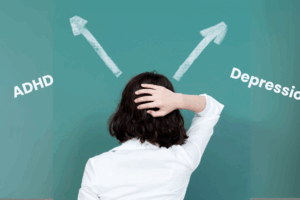
Emotional distress and physical decline frequently go hand in hand during a midlife transition. Men may feel numb, isolated, or resentful. Physical symptoms like fatigue, weight changes, or chronic pain can surface, reflecting how intertwined mental and physical health are. Ignoring these signs can increase risk for depression or affect daily functioning.
Navigating the Crisis: Therapy & Support
Seeking professional help can be transformative. Therapy offers a safe space for men to explore their feelings, redefine goals, and build coping strategies. At RoadToTherapy, exploring our blog post on “The Benefits of Therapy for Men” highlights how counseling boosts emotional resilience. Meanwhile, resources like Harvard Health offer research-based insights that complement therapeutic support.
Strengthening Relationships & Personal Growth
Relationships often bear the brunt of a midlife crisis in men with breakdowns in communication leading to friction or distance. Mindfulness, honest conversations, and relationship counseling can help rebuild trust and intimacy. Therapy can guide men to realign their lives with values and priorities, turning a crisis into a pivot point for meaningful growth.
Final Thoughts
A midlife crisis in men doesn’t have to signal the end of fulfillment it can be the beginning of real, lasting change. By acknowledging the emotional challenges and reaching out for guidance, men can rediscover purpose, improve their mental well-being, and build stronger relationships. If you or someone you know is navigating this phase, remember that support is available, and healing is always possible.