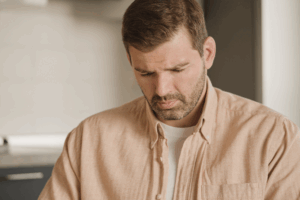

Understand That Depression Is Real
Depression is more than just feeling sad it’s a serious mental health issue. One of the first helpful tips on coping with depression is acknowledging it as a real condition. Seeking professional support or talking to loved ones can help validate your feelings. Learn more about childhood trauma and its impact on adult mental health. Acceptance is the first step toward healing.
Create a Small Daily Routine
Daily routines give structure, which is crucial when dealing with emotional instability. Start with tiny tasks like brushing your hair or making your bed. These may seem small but can make a big difference in coping with depression. Establishing a rhythm brings back a sense of control.
Move Your Body Regularly
Exercise is one of the most helpful tips on coping with depression that experts recommend. Even short walks can improve mood by boosting endorphins. You don’t need a gym stretching at home or dancing to music works too. Mayo Clinic’s guide shows how movement lifts mental fog and enhances energy.
Eat and Sleep Mindfully
Lack of nutrition and sleep can worsen your emotional state. Aim for balanced meals and a consistent sleep schedule. One of the helpful tips on coping with depression is tracking how food and rest affect your mood. Stay hydrated, avoid excess caffeine, and give your body what it needs to recover.
Don’t Be Afraid to Ask for Help
Isolation can make depression worse. Reaching out to a therapist, friend, or support group is vital. It’s okay to say you’re not okay. Remember, some of the most helpful tips on coping with depression involve allowing others to be part of your healing journey.
Avoid Negative Self-Talk
Your inner critic can fuel depression. Try to recognize unkind thoughts and replace them with gentler ones. Practicing self-compassion is a proven strategy in coping with depression. Use affirmations or journal how you’re feeling to break the cycle of negativity.