
The Overlap No One Talks About
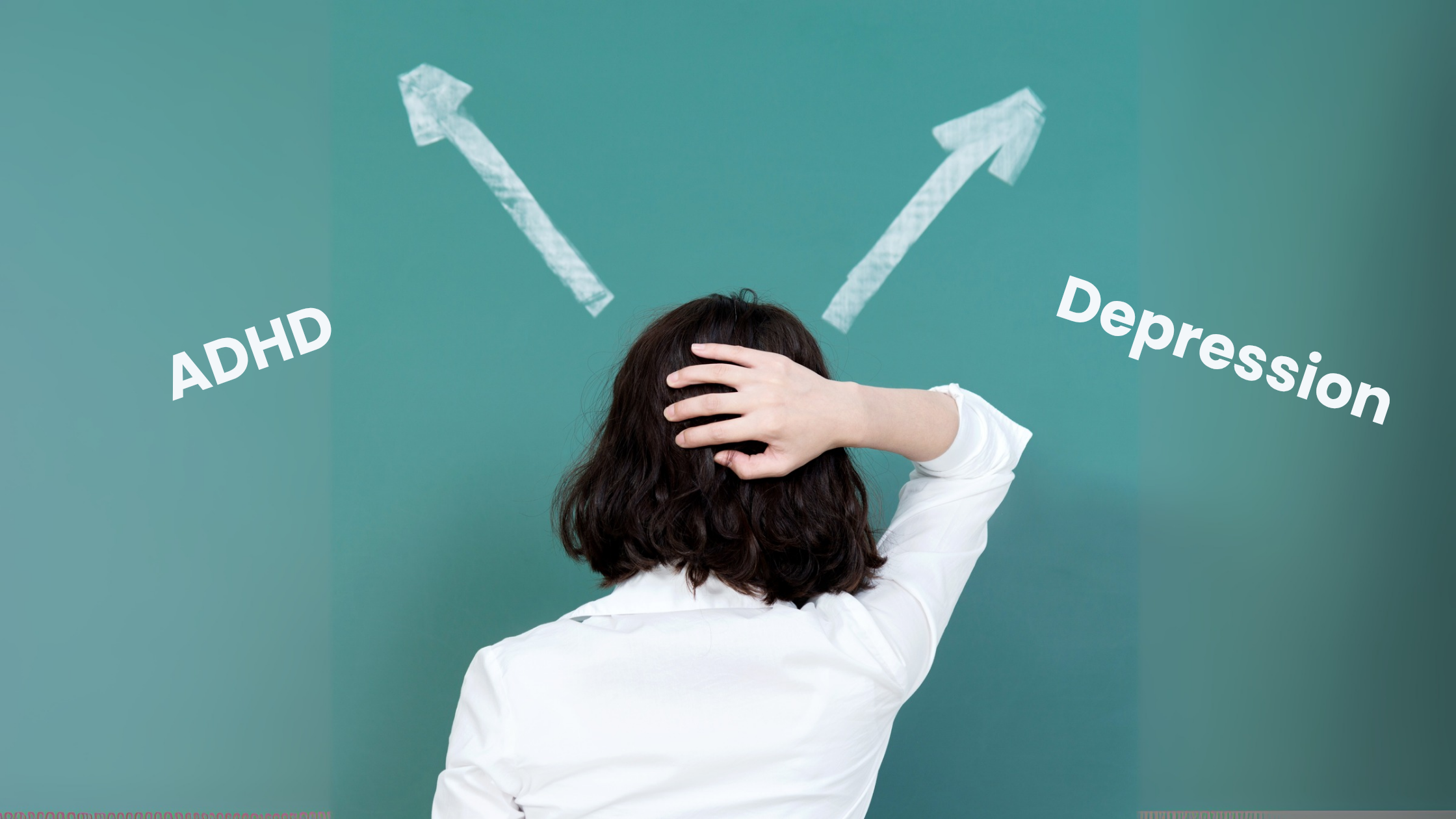
Feeling foggy, unfocused, or low wondering if it’s ADHD, depression, or both? These conditions can look alike from the outside, but inside, they carry different emotional tones and root causes. This post helps you explore which fits your experience and what you can do next.
The Heart of the Issue
ADHD often appears in childhood and ties to how your brain handles attention, impulses, and organization. Depression tends to stem from life stressors, loss, and unresolved emotional pain.
Everyday Experience
Consider this: your mind keeps drifting and bouncing between tasks does that feel familiar? That’s often ADHD. Or do you feel stuck, emotionally empty, or see no point in things? That leans toward depression.
Even online experiences like comparing yourself constantly or feeling emotionally drained from scrolling can fuel depressive symptoms. Learn more here: The Impact of Social Media on Mental Health
Recognizing the Signals
ADHD cues: difficulty starting or finishing tasks, frequent distraction, impulsive behavior
Depression cues: low energy, emotional numbness, feelings of hopelessness, loss of interest
According to the Cleveland Clinic, these two conditions can overlap in symptoms like forgetfulness or lack of focus but the cause and treatment are very different. That’s why tracking how long you’ve had these challenges and how they respond to structure or emotional support can provide helpful clues.
What Might Help You
ADHD often improves with consistent routines, coaching, and sometimes medication. Depression may require therapy, gentle lifestyle shifts, and occasionally medication for mood. Sometimes both conditions coexist so speaking with a therapist who understands both can offer clarity and targeted support.