
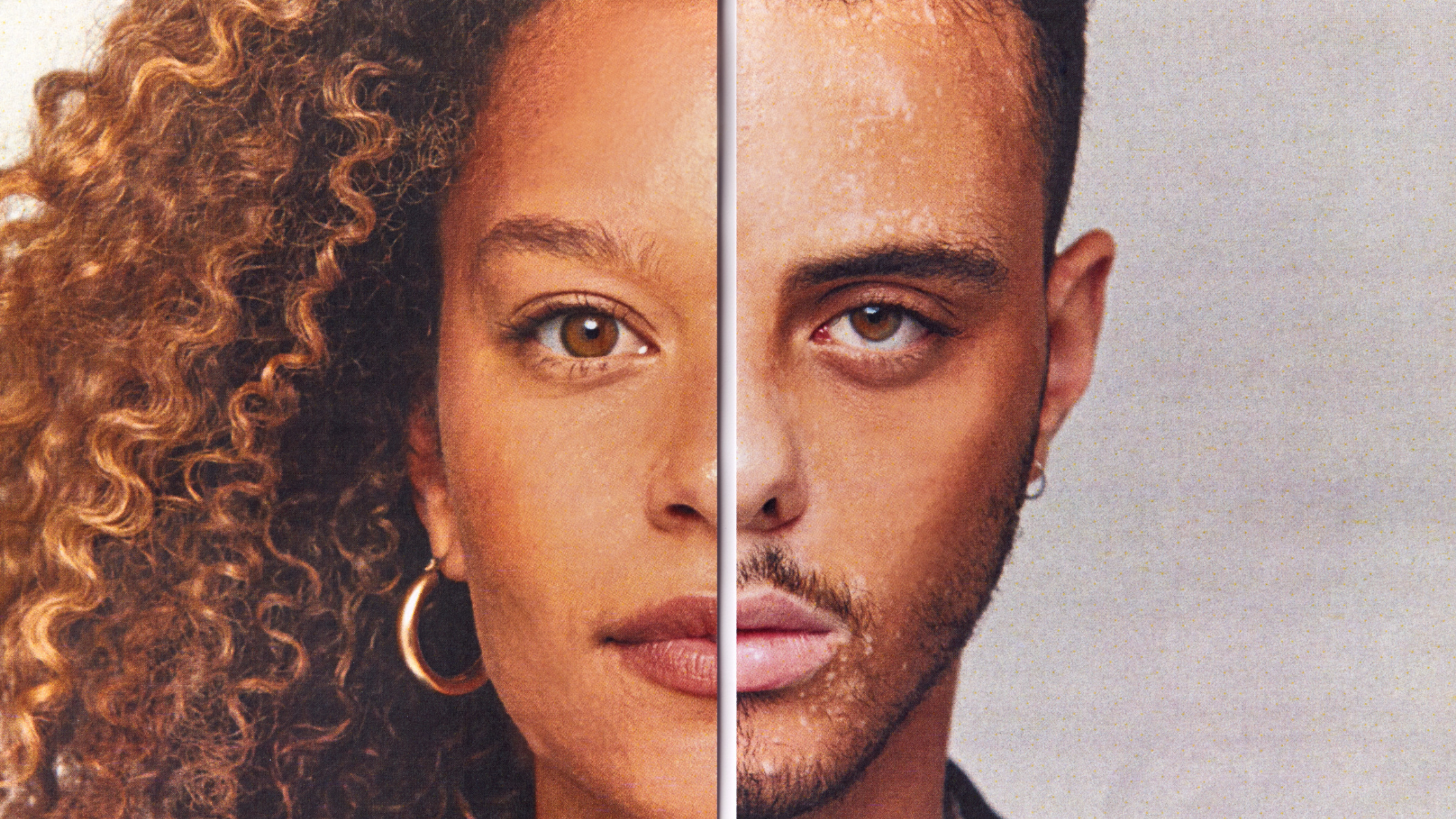
Introduction to Gender Identity and Emotional Well-being
Gender Dysphoria and Mental Health are closely connected, as this condition deeply affects a person’s emotions and self-image. It occurs when someone feels a mismatch between their gender identity and the sex they were assigned at birth. Understanding this connection helps build awareness and empathy for those struggling to live authentically.
What Is Gender Dysphoria?
Gender dysphoria is the emotional distress caused when one’s internal gender identity differs from their assigned sex. This discomfort can impact confidence and daily life. Many individuals experiencing Gender Dysphoria and Mental Health challenges seek therapy or gender-affirming care to feel aligned with their true selves.
Emotional Impact
The emotional effects of gender dysphoria vary. Some may feel anxious, isolated, or misunderstood due to societal pressure. These emotional struggles can make Gender Dysphoria and Mental Health difficult to manage without proper support or awareness. Compassion and acceptance are essential for healing.
Therapy and Support
Therapy can help individuals with gender dysphoria explore identity and build resilience. A safe and understanding environment allows people to express feelings freely and reduce distress. You can learn more about therapy’s role in emotional wellness in our blog on How Diet Influences Your Mental Health.
Learn More
For detailed insights about Gender Dysphoria and Mental Health, the American Psychiatric Association provides trusted information on causes, symptoms, and treatment. Reading reliable sources helps reduce stigma and promote understanding.
Final Thoughts on Gender Dysphoria and Acceptance
Gender Dysphoria and Mental Health deserve open discussion, empathy, and care. By spreading awareness and encouraging supportive therapy, we can create a world where everyone feels free to live as their true self. Acceptance begins with understanding and understanding begins with compassion.