

• Home
  • Make an Appointment
  • Phoenix Therapists
    • About Amber
    • About Cindy
    • About Dianna
    • About Jaclyn K
    • About Michael
    • About Rick
    • About Sofia
  • Mesa Therapists
    • About Caryl
    • About Docia
    • About Dianna
    • About Jasmin
    • About Shanika
    • About Taucha
  • N Scottsdale Therapists
  • Location Addresses
  • Finances and Insurance
  • Existing Client
  • FAQ

Start your healing today. Take the first step with us (602)-492-1010

admin@roadtotherapy.com
Mental Health Therapy in Phoenix ArizonaMental Health Therapy in Phoenix Arizona
  • Home
  • Make an Appointment
  • Phoenix Therapists
    • About Amber
    • About Cindy
    • About Dianna
    • About Jaclyn K
    • About Michael
    • About Rick
    • About Sofia
  • Mesa Therapists
    • About Caryl
    • About Docia
    • About Dianna
    • About Jasmin
    • About Shanika
    • About Taucha
  • N Scottsdale Therapists
  • Location Addresses
  • Finances and Insurance
  • Existing Client
  • FAQ

Understanding Social and Physical Gender Dysphoria

Home EducationMental HealthGender DysphoriaUnderstanding Social and Physical Gender Dysphoria
Understanding Social and Physical Gender Dysphoria

Understanding Social and Physical Gender Dysphoria

October 13, 2025

The Reality Behind Gender Dysphoria

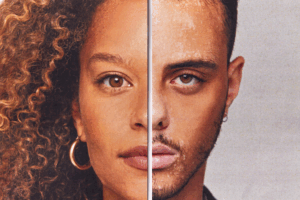
Gender dysphoria is more than discomfort it’s a deep emotional conflict between one’s assigned gender and true identity. Within this broad experience, social and physical gender dysphoria play crucial roles. Understanding both helps in recognizing how people experience distress, not only within themselves but also in the way society perceives them.


What Is Social Gender Dysphoria?

Social gender dysphoria occurs when a person feels distress in social situations  such as being addressed by the wrong pronouns or being forced to present according to their assigned gender. It often stems from external expectations and social rejection rather than internal discomfort. Individuals may feel unseen or invalidated, which can lead to isolation, anxiety, or depression. Supportive environments, affirming pronouns, and inclusive spaces can greatly reduce this form of dysphoria.


Understanding Physical Gender Dysphoria

In contrast, physical gender dysphoria is related to a person’s body. It’s the discomfort that arises when one’s physical appearance doesn’t align with their gender identity. This may involve distress over specific features such as body shape, voice, or anatomy. For many, steps like hormone therapy, surgery, or other forms of gender-affirming care bring relief. Recognizing social and physical gender dysphoria as separate but connected helps create more compassionate approaches to mental health.


Support and Awareness Matter

Addressing both types requires empathy and understanding. Therapists and support groups specializing in social and physical gender dysphoria can help individuals navigate identity challenges with confidence. Education, awareness, and inclusive dialogue are essential in building safer communities.


For more insight into how identity and well-being are connected, read our blog on How Diet Influences Your Mental Health.

Learn more about gender identity from APA’s gender diversity resources.
 

Tags: Emotional Well-beinggender identitygender identity supportinclusive therapylgbtq mental healthmental health awarenessphysical dysphoriaRoad to Therapysocial and physical gender dysphoriasocial dysphoria
Share
0

You also might be interested in

Gender Dysphoria and Mental Health

Gender Dysphoria and Mental Health

Oct 10, 2025

Gender Dysphoria and Mental Health are deeply linked. This blog explores the emotional struggles, therapy options, and the importance of empathy and understanding.

Why You Feel More Anxious at Night

Why You Feel More Anxious at Night

Feb 9, 2026

Many people experience increased anxiety at night when distractions fade. Learn the psychological and biological reasons behind nighttime anxiety and how to manage it effectively.

Understanding ADHD – What You Need to Know

Understanding ADHD – What You Need to Know

Jul 28, 2025

ADHD is more than just a focus issue—it affects emotions, routines, and everyday life. This blog breaks down what ADHD really is, how it shows up, and what support is available.

Most Liked Posts

  • Staying Mindful in the Midst of COVID-19 By Sofia on May 3, 2020 10
  • Overcoming Rejection in Recovery By Sofia on December 3, 2017 5
  • When emotions get in the way of asking for help By Sofia on February 5, 2018 2
  • Understanding Childhood Trauma By Sofia on May 8, 2025 1

Let's get in touch

Send me an email and I'll get back to you as soon as possible.

Send Message
Become familiar with how we work. Check out our latest blog post.. Go to Blog

Follow us on social media

Road to Therapy

A new path in your life journey. We help people move forward in their lives. Therapy doesn't need to be complicated, and we like to keep it simple. Whether you are dealing with mood disorders, trauma, or life transition issues, we will help you manage your situation and get back to living your life to the fullest.

Find me here

  • AZ Therapy LLC
  • 2633 E Indian School Rd #250 Phoenix Arizona 85016
  • 602-492-1010
  • admin@roadtotherapy.com
  • https://roadtotherapy.com

Fresh from our blog

  • What Is an Anxiety Attack and Why Does It Happen
  • Why Am I Always Tired Even After Sleeping
  • Signs of Emotional Trauma in Adults

© 2026 · AZ Therapy LLC.

  • Home
  • FAQ
Prev Next