
The Invisible Impact
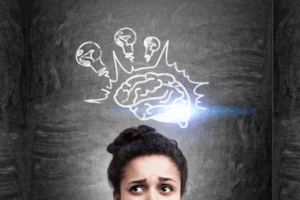
Trauma does not stay in memories alone. It leaves a physical mark on the brain, changing how you think, feel, react, and connect with the world. These changes happen automatically as the brain tries to protect you from danger, even long after the event has passed.
The Alarm System Overreacts
The amygdala, your brain’s alarm center, becomes hyperactive after trauma. It sends danger signals quickly and intensely, even in safe situations. This leads to fear, hypervigilance, anxiety, and emotional reactivity. The brain stays stuck in “survival mode,” making everyday stress feel overwhelming.
Memory Becomes Fragmented
Trauma affects the hippocampus, the part of the brain that organizes memories. When overwhelmed, the hippocampus struggles to store events correctly. This is why traumatic memories may feel scattered, foggy, or unusually vivid. Some people relive moments unexpectedly because the brain did not file them away properly.
Thinking and Reasoning Slow Down
The prefrontal cortex helps you focus, problem-solve, and manage emotions. Trauma reduces its activity, making it harder to make decisions, calm yourself, or think logically during stress. This is why emotional triggers can feel stronger than rational thoughts.
Emotions Become Harder to Regulate
Trauma disrupts the communication between emotional and thinking centers in the brain. Mood swings, irritability, or emotional numbness often appear because the brain is trying to protect itself while still processing what happened.
Body and Brain Stay on High Alert
Trauma activates the nervous system and increases stress hormones like cortisol. When these hormones stay high, the body stays tense and alert. According to Harvard Health, chronic stress from trauma can change long-term brain function and emotional control.
Healing Through Understanding
The brain can heal with therapy, safety, and consistent emotional support. To explore related topics, read How Low Self-Esteem Can Affect Your Life
The Path Forward
Understanding how trauma affects the brain helps you see your reactions with compassion. With the right support, the brain can relearn safety and rebuild emotional balance.