
• Home
  • Make an Appointment
  • Phoenix Therapists
    • About Amber
    • About Cindy
    • About Dianna
    • About Jaclyn K
    • About Michael
    • About Rick
    • About Sofia
  • Mesa Therapists
    • About Caryl
    • About Docia
    • About Dianna
    • About Jasmin
    • About Shanika
    • About Taucha
  • N Scottsdale Therapists
  • Location Addresses
  • Finances and Insurance
  • Existing Client
  • FAQ

Start your healing today. Take the first step with us (602)-492-1010

admin@roadtotherapy.com
Mental Health Therapy in Phoenix ArizonaMental Health Therapy in Phoenix Arizona
  • Home
  • Make an Appointment
  • Phoenix Therapists
    • About Amber
    • About Cindy
    • About Dianna
    • About Jaclyn K
    • About Michael
    • About Rick
    • About Sofia
  • Mesa Therapists
    • About Caryl
    • About Docia
    • About Dianna
    • About Jasmin
    • About Shanika
    • About Taucha
  • N Scottsdale Therapists
  • Location Addresses
  • Finances and Insurance
  • Existing Client
  • FAQ

What Happens to the Brain When You’re Anxious

Home EducationMental HealthWhat Happens to the Brain When You’re Anxious
What Happens to the Brain When You’re Anxious

What Happens to the Brain When You’re Anxious

January 27, 2026

How Anxiety Activates the Brain


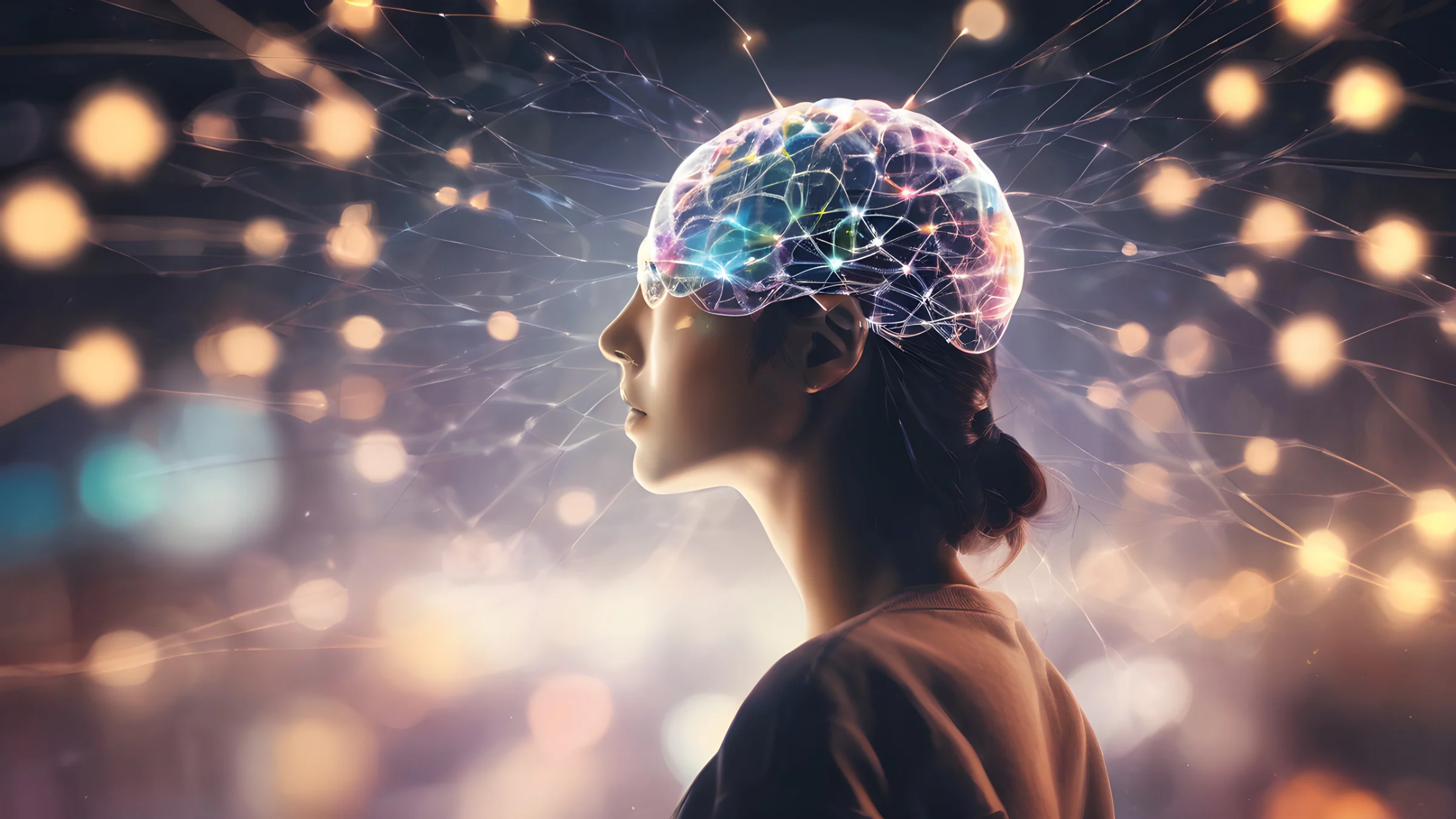
When someone wonders what happens to the brain when you’re anxious, it’s important to know that anxiety is not just “worry.” It is a full-body and full-brain response to perceived threat. The brain shifts into survival mode, preparing the body to act, often before the mind fully understands what’s happening.


The Amygdala Takes the Lead


The amygdala is the brain’s alarm system. When anxiety strikes, the amygdala becomes highly active and signals danger even if the threat is imaginary or distant. This early warning response increases heart rate, breathing, and alertness. It’s part of the brain’s attempt to protect you.


Prefrontal Cortex and Overthinking


The part of the brain responsible for reasoning is the prefrontal cortex. When anxiety rises, this thinking center becomes less active. This can explain why logical thoughts fade and worry loops take over. The brain begins reacting rather than responding thoughtfully.


Memory and Emotional Processing


Long-term anxiety changes how the hippocampus the memory center works. Instead of storing experiences clearly, the brain may store them as fragments, leading to intrusive memories or emotional recall that feels disproportionate to the moment. This is similar to patterns discussed in the Road to Therapy blog How Trauma Affects the Brain, where emotional memory stays active long after stress.


Neurochemicals Shift


Anxiety also alters neurotransmitters  chemicals that help brain cells communicate. Increased cortisol and adrenaline prepare the body for action but interfere with focus, calmness, and emotional balance. According to the Anxiety and Depression Association of America, chronic anxiety keeps stress pathways activated.


Restoring Balance in the Brain


Understanding what happens to the brain when you’re anxious helps reduce self-judgment. Practices like mindfulness, therapy, and grounding allow the nervous system to feel safe again. Over time, the brain relearns calmness and emotional regulation


Tags: anxiety brainanxiety symptomsemotional regulationmental health awarenessneuroscience of anxietyPsychologystress response
Share
0

You also might be interested in

How Avoiding Emotions Increases Anxiety Over Time

How Avoiding Emotions Increases Anxiety Over Time

Jan 23, 2026

Learn how emotional avoidance silently fuels anxiety and why processing emotions supports long-term mental well-being.

Why Your Mind Feels Busy Even When Life Is Calm

Why Your Mind Feels Busy Even When Life Is Calm

Jan 19, 2026

Discover why your mind stays busy despite calm surroundings and how stress, emotions, and nervous system activity play a role.

What Is High Functioning Anxiety

What Is High Functioning Anxiety

Feb 12, 2026

High functioning anxiety often hides behind success and productivity. Discover the subtle signs, causes, and long term emotional effects of constant internal pressure.

Most Liked Posts

  • Staying Mindful in the Midst of COVID-19 By Sofia on May 3, 2020 10
  • Overcoming Rejection in Recovery By Sofia on December 3, 2017 5
  • When emotions get in the way of asking for help By Sofia on February 5, 2018 2
  • Understanding Childhood Trauma By Sofia on May 8, 2025 1

Let's get in touch

Send me an email and I'll get back to you as soon as possible.

Send Message
Become familiar with how we work. Check out our latest blog post.. Go to Blog

Follow us on social media

Road to Therapy

A new path in your life journey. We help people move forward in their lives. Therapy doesn't need to be complicated, and we like to keep it simple. Whether you are dealing with mood disorders, trauma, or life transition issues, we will help you manage your situation and get back to living your life to the fullest.

Find me here

  • AZ Therapy LLC
  • 2633 E Indian School Rd #250 Phoenix Arizona 85016
  • 602-492-1010
  • admin@roadtotherapy.com
  • https://roadtotherapy.com

Fresh from our blog

  • What Is Dopamine Detox and Does It Really Work
  • Why You Feel Unmotivated All the Time
  • Why You Can’t Focus Anymore

© 2026 · AZ Therapy LLC.

  • Home
  • FAQ
Prev Next