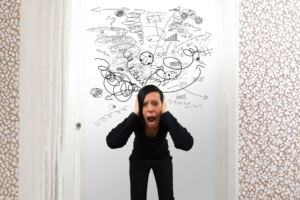

When Comparison Becomes a Habit
Many people compare their achievements, appearance, relationships, or lifestyle to those around them. If you are wondering why you keep comparing yourself to others, it is because the brain naturally evaluates information to understand where it stands in a social environment. While occasional comparison is normal, constant comparison can negatively affect confidence and emotional well-being.
In today’s digital world, social media has made comparison easier and more frequent than ever before.
Why the Brain Compares
Humans have always used comparison as a way to learn and adapt. However, the brain often compares your everyday reality to someone else’s highlight reel. This creates unrealistic standards and distorted perceptions of success, happiness, and self-worth.
When comparison becomes automatic, it can make personal achievements feel less meaningful.
The Emotional Effects of Comparison
Constant comparison can increase self-doubt, anxiety, and dissatisfaction. Instead of focusing on personal growth, individuals may become preoccupied with what others have achieved. This mindset often creates pressure and feelings of inadequacy.
According to the American Psychological Association, social comparison can significantly influence self-esteem and emotional health.
External Source: https://www.apa.org/topics/self-esteem
Impact on Mental Health
Over time, comparison can affect motivation and confidence. It may lead people to believe they are falling behind, even when they are making progress. This emotional pressure can contribute to stress and negative thinking patterns.
You can also explore how validation-seeking behaviors develop in our related article:
https://roadtotherapy.com/why-you-keep-seeking-validation-from-others/
Shifting the Focus Back to Yourself
Reducing comparison starts with recognizing personal values and goals. Limiting social media exposure, practicing gratitude, and focusing on individual progress can improve self-confidence.
Understanding why you keep comparing yourself to others helps create healthier perspectives and encourages growth based on your own journey rather than someone else’s.