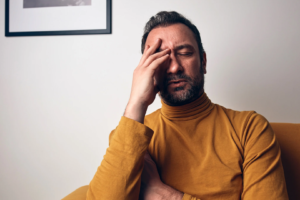

Hypervigilance is a state of heightened awareness where a person constantly scans their environment for potential threats. If you are wondering what is hypervigilance and why does it happen, it is often linked to prolonged stress, anxiety, or past difficult experiences that taught the brain to remain alert for danger.
While hypervigilance is designed to protect us, it can become exhausting when the brain stays in this state for extended periods.
How Hypervigilance Develops
The nervous system is naturally programmed to respond to danger. However, after experiencing chronic stress or emotionally overwhelming situations, the brain may begin treating ordinary situations as potential threats.
As a result, individuals may become highly sensitive to changes in tone of voice, facial expressions, sounds, or unexpected events. This heightened awareness often occurs automatically and without conscious control.
Common Signs of Hypervigilance
People experiencing hypervigilance may feel constantly on edge, easily startled, or unable to relax. They may overanalyze conversations, anticipate problems, or struggle to feel safe even in calm environments.
These reactions are often misunderstood as overthinking, but they are actually connected to the body’s stress-response system.
According to the American Psychological Association, prolonged stress can significantly affect emotional regulation and threat perception.
External Source: https://www.apa.org/topics/stress
The Impact on Mental Health
Hypervigilance can contribute to anxiety, emotional exhaustion, and sleep difficulties. When the brain continuously searches for danger, it becomes difficult to fully relax or focus on the present moment.
You can also read our related article on signs your nervous system is overstimulated:
https://roadtotherapy.com/signs-your-nervous-system-is-overstimulated/
Managing Hypervigilance
Reducing hypervigilance often involves helping the nervous system feel safe again. Mindfulness practices, therapy, grounding exercises, and healthy routines can support this process.
Understanding what is hypervigilance and why does it happen helps individuals recognize that their reactions are often protective responses rather than personal weaknesses.