
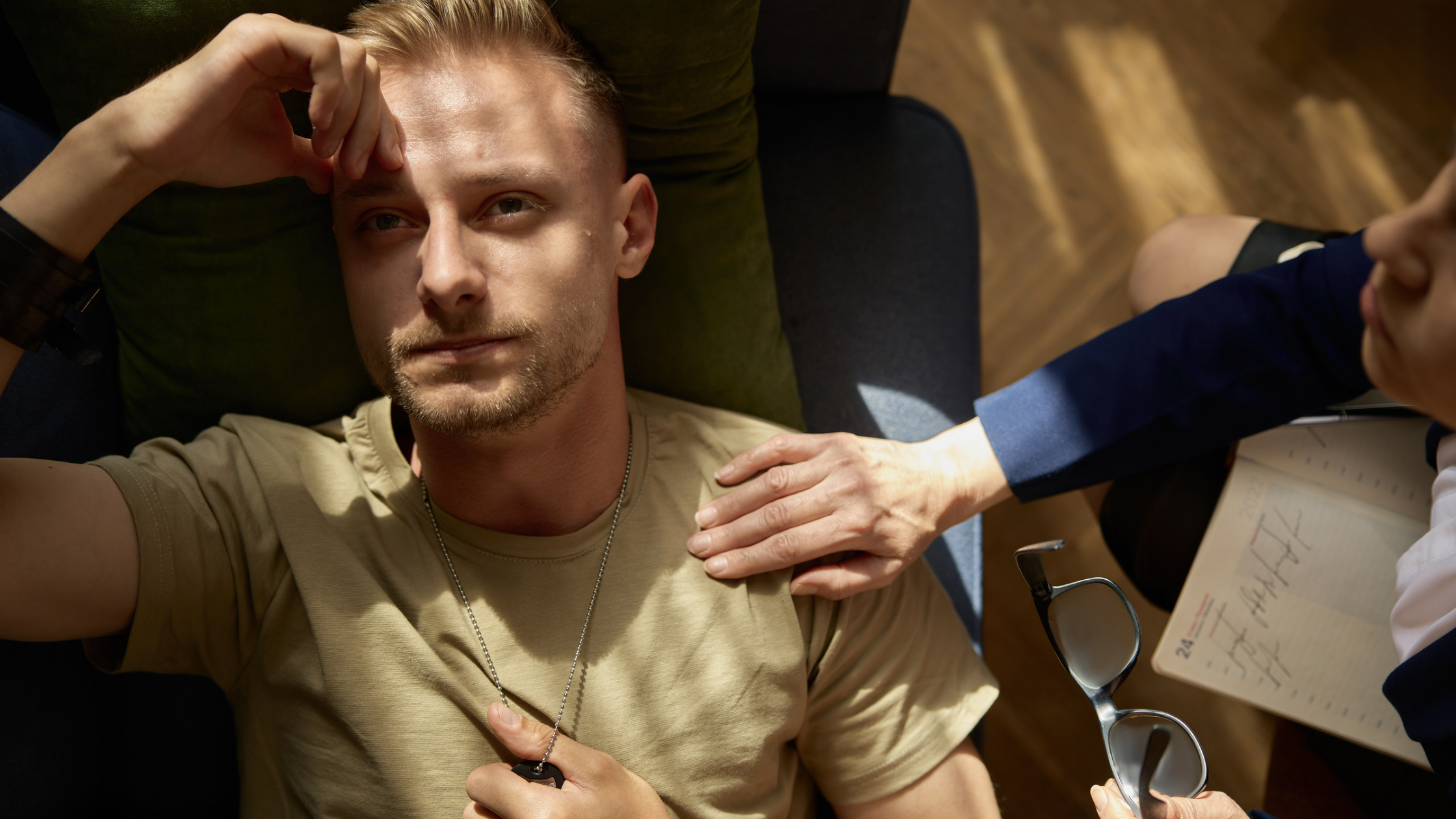
Understanding PTSD
Living beyond PTSD means learning to cope with trauma while rebuilding a sense of safety. Post-Traumatic Stress Disorder (PTSD) can affect anyone who has experienced life-altering events. The keyphrase living beyond PTSD highlights the hope of healing and moving forward.
Signs and Challenges
PTSD often brings recurring flashbacks, nightmares, or feelings of fear even in safe places. These symptoms interfere with work, relationships, and sleep. Many people also feel disconnected, making daily responsibilities harder to manage.
Healthy Coping Strategies
Practical steps can help manage PTSD. Breathing exercises, mindfulness, and journaling allow individuals to release stress and regain focus. Building routines also provides stability, while grounding techniques reduce anxiety during overwhelming moments.
Professional Guidance
Living beyond PTSD is possible with professional support. Therapists use evidence-based methods like Cognitive Behavioral Therapy and EMDR to reduce symptoms. For additional insights on mental health care, explore our Road to Therapy blog.
Finding Reliable Resources
Trusted resources can make a difference in recovery. Organizations like the National Institute of Mental Health provide guidance, research, and tools for individuals and families dealing with PTSD.
A Path Forward
Recovery does not happen overnight, but with patience, support, and coping skills, living beyond PTSD becomes a reality. Each small step brings resilience, hope, and the possibility of creating a more fulfilling life.