
Stress That Doesn’t Leave
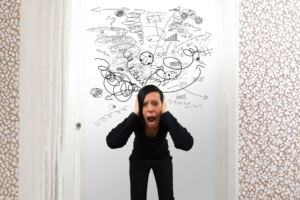
Sometimes the situation ends, but the stress stays. Even when life becomes calmer, your body may continue to feel tense, alert, or exhausted. Why your body holds stress even after the problem is over? This happens because stress is not only stored in thoughts, but also in the nervous system.
The Nervous System Remembers
When you experience prolonged stress or trauma, your nervous system adapts to survive. It learns to stay alert for danger. Even after the threat passes, the body may not receive the message that it is safe again.
Physical Signs of Stored Stress
Ongoing muscle tension, headaches, digestive issues, fatigue, and shallow breathing are common signs. These symptoms appear because the body remains in a protective state, holding stress in muscles and organs.
Emotional Effects Over Time
Stored stress can lead to irritability, emotional numbness, anxiety, or sudden emotional reactions. The brain and body stay connected through stress hormones, keeping emotions heightened or suppressed.
Why Thinking Isn’t Enough
Understanding that a problem is over does not automatically calm the body. The nervous system responds to safety through physical signals, not logic. This is why rest, grounding, and emotional regulation are essential for release.
What Science Shows
According to Harvard Health
chronic stress can change how the brain and body respond long-term, making stress reactions linger even after the cause has resolved.
Releasing Stored Stress
Gentle movement, breathwork, consistent routines, and therapy help the nervous system relearn safety. Emotional awareness and patience allow the body to slowly release what it has been holding. For deeper insight into emotional influence and behavior, you can read Cults and Mental Health: Why People Join, and How They Heal
Safety Restores Balance
Your body is not stuck or broken. It is protecting you. When safety becomes consistent, the body slowly learns to let go, restoring balance and calm.