
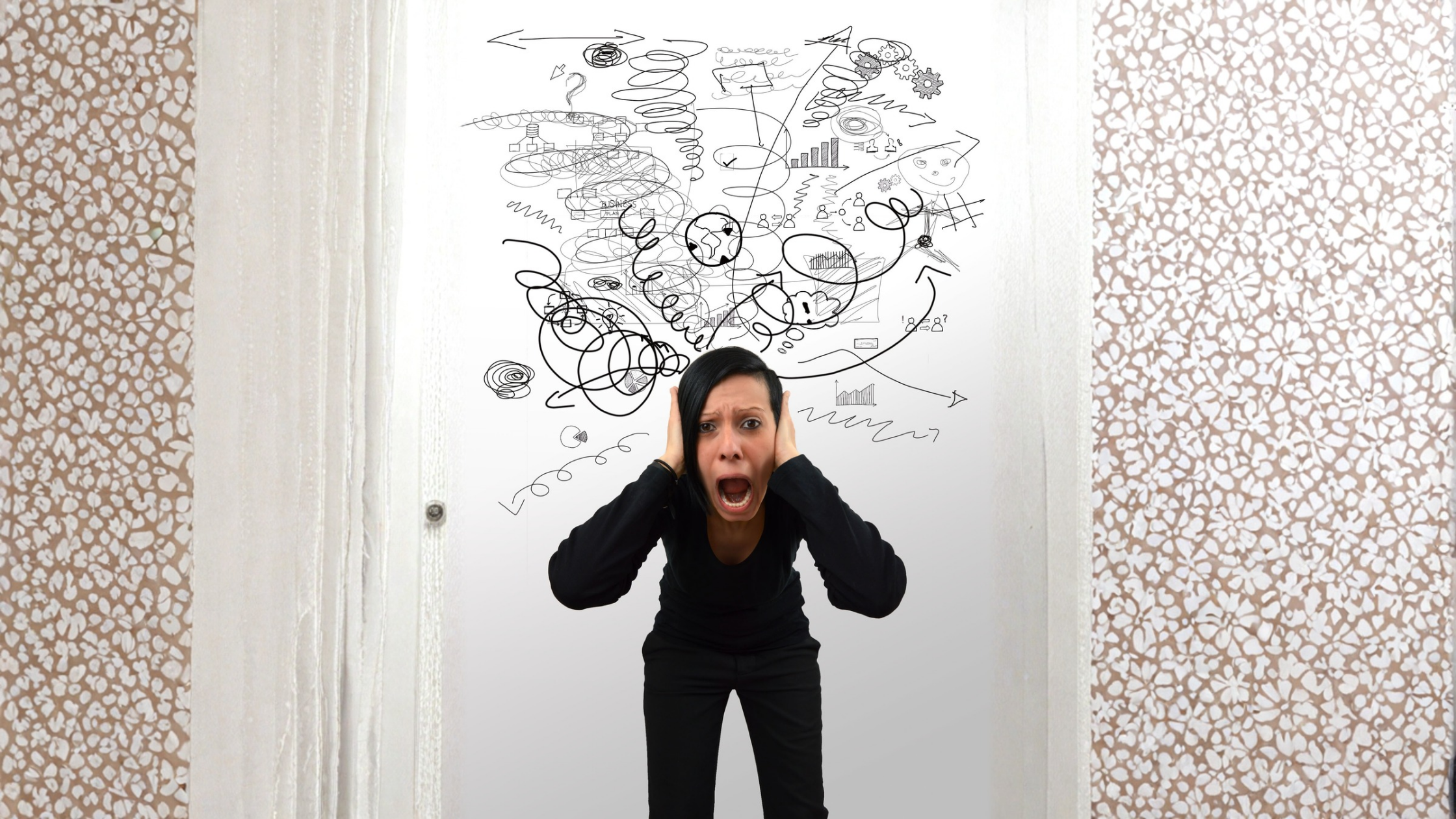
When Calm Outside Does Not Match Inside
Many people feel mentally overwhelmed even when nothing stressful is happening. Why your mind feels busy even when life is calm? This mental restlessness often confuses people, especially when life appears stable on the surface. The mind, however, may still be responding to past stress, emotional overload, or unprocessed experiences.
The Role of Chronic Stress
When stress lasts for a long time, the brain learns to stay alert. Even after external pressure reduces, the nervous system may continue operating in survival mode. This creates constant mental noise, racing thoughts, and difficulty relaxing.
Unprocessed Emotions and Mental Activity
Emotions that are not fully processed do not disappear. They remain active in the background, keeping the mind busy. This pattern is closely linked to emotional suppression and unresolved stress responses that continue to demand attention.
Connection With the Nervous System
A constantly busy mind is often a sign of nervous system dysregulation. The brain struggles to shift into a state of safety, making stillness feel uncomfortable. Similar patterns are discussed in the Road to Therapy blog Signs Your Nervous System Is Dysregulated, where mental overactivity is linked to prolonged stress.
Impact on Mental Health
Ongoing mental busyness increases fatigue, irritability, and emotional exhaustion. Sleep may feel unrefreshing, and focus becomes harder to maintain. Over time, this internal noise can contribute to anxiety and burnout.
What Research Shows
According to the National Institute of Mental Health, chronic stress alters brain function and emotional regulation, making relaxation difficult even in safe environments.
Restoring Mental Calm
Helping the mind slow down requires patience and consistency. Practices like grounding, therapy, and emotional awareness allow the nervous system to recognize safety again, reducing mental overload.