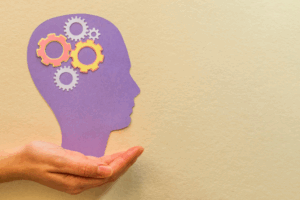

Understanding Emotional Trauma
The signs of emotional trauma in adults are not always obvious. Trauma does not only result from major life-threatening events; it can also develop from prolonged stress, childhood neglect, toxic relationships, or repeated emotional invalidation. Many adults function normally on the outside while silently struggling with unresolved psychological wounds.
Emotional trauma affects how a person processes safety, trust, and connection. When distressing experiences are not fully processed, the nervous system may remain in a state of heightened alertness.
Common Psychological and Behavioral Signs
One of the most common signs of emotional trauma in adults is emotional reactivity. Small triggers may lead to intense responses such as anger, withdrawal, or anxiety. Some individuals experience emotional numbness instead, finding it difficult to feel joy or connection.
Other signs include chronic overthinking, difficulty trusting others, low self-worth, and persistent feelings of guilt or shame. Sleep disturbances and physical symptoms like headaches or fatigue can also appear when stress remains unprocessed.
According to the American Psychological Association, trauma can significantly impact long-term mental health if left unaddressed.
External Source: https://www.apa.org/topics/trauma
How Trauma Impacts Relationships
Unresolved trauma often influences attachment patterns. Adults may struggle with fear of abandonment, avoidance of intimacy, or people-pleasing behaviors. These patterns are protective responses developed to prevent further emotional harm, but they can create relationship difficulties over time.
You can also read our related article on how prolonged stress affects the brain:
https://roadtotherapy.com/long-term-effects-of-trauma-on-your-brain/
Moving Toward Healing
Recognizing the signs of emotional trauma in adults is the first step toward healing. Therapy provides a safe environment to process experiences and regulate emotional responses. Techniques such as grounding exercises, trauma-focused therapy, and emotional awareness practices can gradually restore a sense of stability.
Healing does not mean forgetting the past. It means learning to live without the past controlling your present reactions. With the right support, emotional resilience can be rebuilt.