
Understanding Negative Thinking
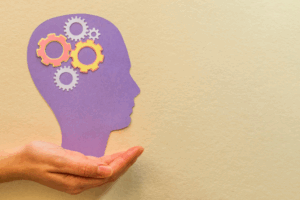
Negative thinking patterns can shape how a person interprets everyday experiences. These patterns often develop slowly through repeated stress, criticism, or difficult life events. When the brain becomes accustomed to focusing on negative outcomes, it begins to interpret neutral situations as threats.
Over time, these thoughts can influence emotional responses, decision-making, and self-confidence.
Common Types of Negative Thoughts
Some of the most common negative thinking patterns include catastrophizing, where a person expects the worst possible outcome, and overgeneralization, where one negative experience is seen as a permanent pattern.
Another common pattern is self-criticism. People who constantly blame themselves for mistakes may struggle with low self-esteem and chronic anxiety. These mental habits can gradually shape how individuals view themselves and the world around them.
Research from the American Psychological Association highlights how repetitive negative thinking can increase stress and emotional distress.
External Source: https://www.apa.org/topics/stress
Impact on Emotional Well-Being
When negative thoughts become automatic, they can affect mood, relationships, and daily motivation. Individuals may avoid opportunities due to fear of failure or rejection. Over time, persistent negative thinking may contribute to anxiety, depression, or emotional burnout.
You can also read our related article on understanding emotional burnout and its psychological impact:
https://roadtotherapy.com/what-is-emotional-burnout/
Reframing Thought Patterns
Changing negative thinking patterns requires awareness and practice. Techniques such as cognitive restructuring, journaling, and mindfulness help individuals recognize distorted thoughts and replace them with balanced perspectives.
Therapy can also provide structured strategies to identify unhealthy thought patterns and develop healthier ways of thinking. When individuals learn to challenge negative beliefs, emotional resilience gradually improves.
Recognizing how negative thinking patterns affect mental health is an important step toward building a more supportive and balanced mindset.