

• Home
  • Make an Appointment
  • Phoenix Therapists
    • About Amber
    • About Cindy
    • About Dianna
    • About Jaclyn K
    • About Michael
    • About Rick
    • About Sofia
  • Mesa Therapists
    • About Caryl
    • About Docia
    • About Dianna
    • About Jasmin
    • About Shanika
  • N Scottsdale Therapists
  • Location Addresses
  • Finances and Insurance
  • Existing Client
  • FAQ

Start your healing today. Take the first step with us (602)-492-1010

admin@roadtotherapy.com
Mental Health Therapy in Phoenix ArizonaMental Health Therapy in Phoenix Arizona
  • Home
  • Make an Appointment
  • Phoenix Therapists
    • About Amber
    • About Cindy
    • About Dianna
    • About Jaclyn K
    • About Michael
    • About Rick
    • About Sofia
  • Mesa Therapists
    • About Caryl
    • About Docia
    • About Dianna
    • About Jasmin
    • About Shanika
  • N Scottsdale Therapists
  • Location Addresses
  • Finances and Insurance
  • Existing Client
  • FAQ

What Is Hypervigilance and Why Does It Happen

Home EducationMental HealthWhat Is Hypervigilance and Why Does It Happen
What Is Hypervigilance and Why Does It Happen

What Is Hypervigilance and Why Does It Happen

June 17, 2026

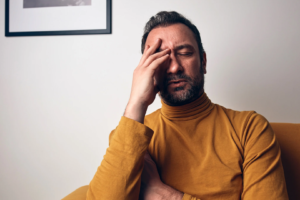
Hypervigilance is a state of heightened awareness where a person constantly scans their environment for potential threats. If you are wondering what is hypervigilance and why does it happen, it is often linked to prolonged stress, anxiety, or past difficult experiences that taught the brain to remain alert for danger.

While hypervigilance is designed to protect us, it can become exhausting when the brain stays in this state for extended periods.


How Hypervigilance Develops


The nervous system is naturally programmed to respond to danger. However, after experiencing chronic stress or emotionally overwhelming situations, the brain may begin treating ordinary situations as potential threats.

As a result, individuals may become highly sensitive to changes in tone of voice, facial expressions, sounds, or unexpected events. This heightened awareness often occurs automatically and without conscious control.


Common Signs of Hypervigilance


People experiencing hypervigilance may feel constantly on edge, easily startled, or unable to relax. They may overanalyze conversations, anticipate problems, or struggle to feel safe even in calm environments.

These reactions are often misunderstood as overthinking, but they are actually connected to the body’s stress-response system.

According to the American Psychological Association, prolonged stress can significantly affect emotional regulation and threat perception.

External Source: https://www.apa.org/topics/stress⁠


The Impact on Mental Health


Hypervigilance can contribute to anxiety, emotional exhaustion, and sleep difficulties. When the brain continuously searches for danger, it becomes difficult to fully relax or focus on the present moment.

You can also read our related article on signs your nervous system is overstimulated:

https://roadtotherapy.com/signs-your-nervous-system-is-overstimulated/⁠


Managing Hypervigilance


Reducing hypervigilance often involves helping the nervous system feel safe again. Mindfulness practices, therapy, grounding exercises, and healthy routines can support this process.

Understanding what is hypervigilance and why does it happen helps individuals recognize that their reactions are often protective responses rather than personal weaknesses.

Tags: anxiety symptomschronic stressemotional healthhypervigilancemental wellnessnervous system regulationstress managementtrauma response
Share
0

You also might be interested in

Emotional Detachment vs Emotional Boundaries

Emotional Detachment vs Emotional Boundaries

Jan 1, 2026

Understand the difference between emotional detachment and emotional boundaries and how each affects emotional health and relationships.

Why Emotional Burnout Feels Like Depression

Why Emotional Burnout Feels Like Depression

Dec 18, 2025

Learn why emotional burnout often feels like depression and how prolonged stress affects motivation, mood, and emotional regulation.

What Is High-Functioning Anxiety and Why Is It So Common

What Is High-Functioning Anxiety and Why Is It So Common

May 29, 2026

High-functioning anxiety often hides behind productivity and success. Discover its symptoms, emotional effects, and ways to manage it.

Most Liked Posts

  • Staying Mindful in the Midst of COVID-19 By Sofia on May 3, 2020 10
  • Overcoming Rejection in Recovery By Sofia on December 3, 2017 5
  • When emotions get in the way of asking for help By Sofia on February 5, 2018 2
  • Understanding Childhood Trauma By Sofia on May 8, 2025 1

Let's get in touch

Send me an email and I'll get back to you as soon as possible.

Send Message
Become familiar with how we work. Check out our latest blog post.. Go to Blog

Follow us on social media

Road to Therapy

A new path in your life journey. We help people move forward in their lives. Therapy doesn't need to be complicated, and we like to keep it simple. Whether you are dealing with mood disorders, trauma, or life transition issues, we will help you manage your situation and get back to living your life to the fullest.

Find me here

  • AZ Therapy LLC
  • 2633 E Indian School Rd #250 Phoenix Arizona 85016
  • 602-492-1010
  • admin@roadtotherapy.com
  • https://roadtotherapy.com

Fresh from our blog

  • What Is Hypervigilance and Why Does It Happen
  • Why You Feel Tired After Doing Nothing All Day
  • What Is Emotional Resilience and Why Does It Matter

© 2026 · AZ Therapy LLC.

  • Home
  • FAQ
Prev