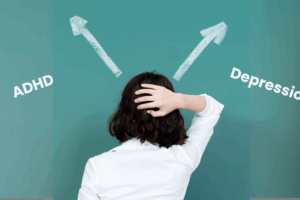

ADHD or Anxiety? How to Tell the Difference in Adults
Difficulty concentrating, racing thoughts, restlessness, and feeling overwhelmed can make everyday life challenging. But when these experiences happen regularly, you may wonder whether you have adult ADHD, anxiety, or both. Understanding the differences can help you recognize your needs and seek appropriate support.
What Does ADHD Look Like in Adults?
Attention-deficit/hyperactivity disorder (ADHD) is a neurodevelopmental condition that can affect attention, organization, impulse control, and activity levels.
Adults with ADHD may frequently forget appointments, struggle to finish tasks, lose important items, interrupt conversations, or find it difficult to manage time. These patterns generally begin in childhood, although they may not be recognized until adulthood.
ADHD is not simply a lack of discipline. It can affect how someone manages responsibilities, relationships, and everyday routines.
How Is Anxiety Different?
Anxiety involves excessive worry, fear, or anticipation of potential problems. You might repeatedly think about making mistakes, disappointing people, or what could go wrong.
When anxiety takes over, concentrating can become difficult because your attention is occupied by worrying thoughts. You may also experience muscle tension, restlessness, sleep difficulties, or a racing heart.
Unlike ADHD, anxiety-related concentration problems may become especially noticeable during stressful situations or periods of intense worry.
Can You Have Both ADHD and Anxiety?
Yes. ADHD and anxiety can occur together, making it harder to understand what is causing particular difficulties.
For example, repeatedly missing deadlines because of organizational challenges may lead to anxiety about work. In other cases, persistent worry may make it difficult to complete tasks even when organizational skills are otherwise strong.
Looking at when symptoms started, how often they occur, and how they affect different areas of life can help a qualified professional distinguish between them.
The “National Institute of Mental Health’s ADHD guide” (https://www.nimh.nih.gov/health/publications/adhd-what-you-need-to-know) explains ADHD symptoms, diagnosis, and treatment.
When Should You Seek Help?
If concentration problems, restlessness, or worry are affecting your daily life, consider speaking with a healthcare professional. Assessment may involve discussing your history, current symptoms, and other possible explanations.
You can also read our article on “why you can’t focus anymore” (https://roadtotherapy.com/why-you-cant-focus-anymore/) to explore factors that can interfere with concentration.
You do not need to diagnose yourself to deserve support. Understanding what is happening can help you find strategies that work for you.